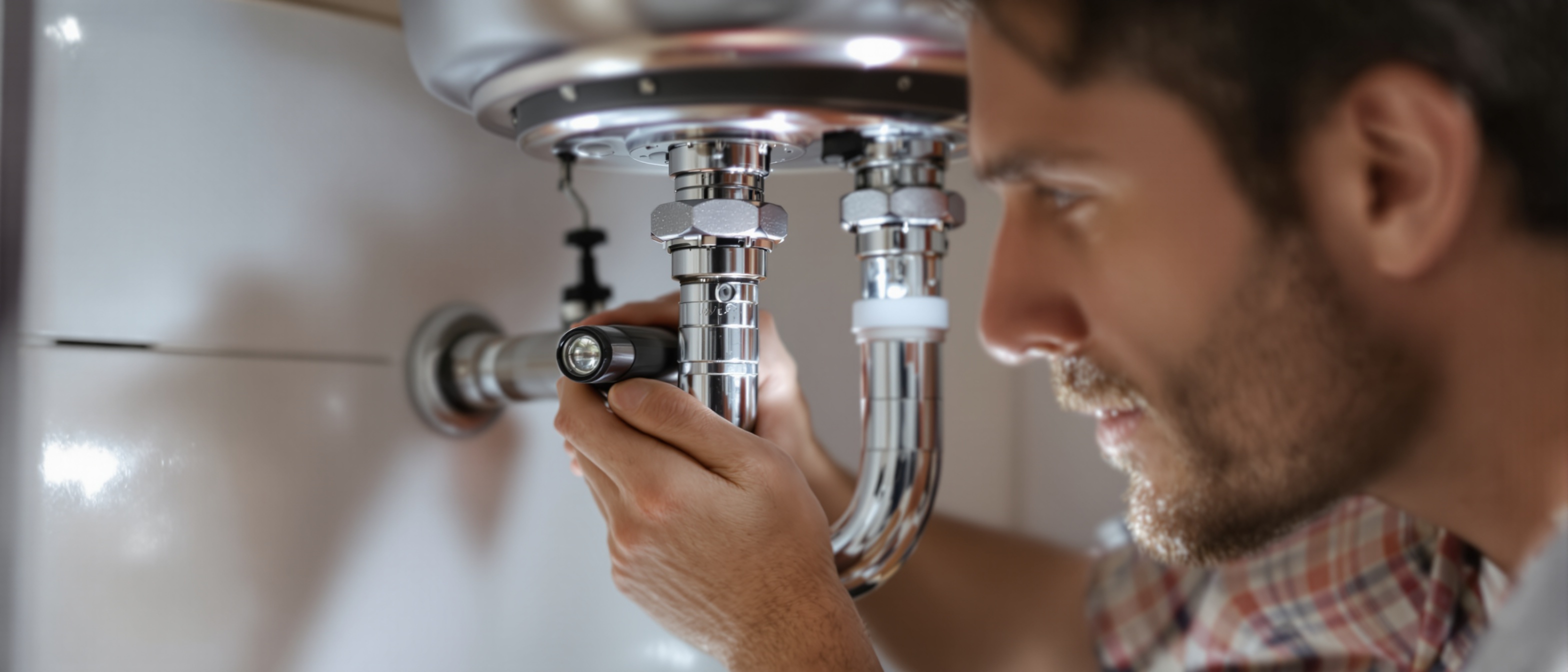
Water damage is the number one threat to American homes. According to the Insurance Information Institute, approximately 1 in 60 insured homes files a water damage or freezing claim each year, with the average payout nearing $14,000. The good news? The vast majority of internal water damage is preventable with routine maintenance and smart technology.
Here in Utah, our unique climate — with harsh winters, spring snowmelt, and summer monsoons — makes water damage prevention especially critical. Below are 10 proven strategies to protect your home and your wallet.
Key Statistic
A tiny 1/8-inch crack in a pipe can release 250 gallons of water per day — enough to cause thousands of dollars in structural damage within hours. The average U.S. household wastes 10,000 gallons per year from leaks alone.
1Know Your Main Water Shut-Off Valve
Every household member should know where the main water shut-off valve is located and how to turn it off. In an emergency, shutting off the water within the first few minutes can be the difference between a minor cleanup and a catastrophic loss. In most Utah homes, the valve is near the water meter — typically in the basement, crawl space, or near the front of the house.
2Inspect Appliance Hoses Annually
Washing machines, dishwashers, and refrigerator ice makers all rely on supply hoses that degrade over time. Rubber hoses should be replaced every 5 to 7 years, even if they look fine. Upgrade to braided stainless-steel hoses for significantly longer life and burst resistance. Check connections for moisture, bulging, or corrosion at least twice a year.
3Install Smart Water Leak Sensors
While 85% of homeowners have smoke detectors, fewer than 17% have water sensors — despite water damage being far more common than fire. Place battery-powered leak detectors in high-risk areas: under sinks, behind toilets, near water heaters, and beside washing machines. Budget-friendly options start at just $15 per sensor.
Recommended Products
- SwitchBot Wi-Fi Leak Detector — ~$15, smartphone alerts, no hub required
- GoveeLife Smart Water Leak Detector — ~$60 for multi-pack, Wi-Fi enabled
- Flo by Moen Smart Water Monitor — ~$500, whole-home monitoring with auto shut-off
4Clean Gutters and Extend Downspouts
Clogged gutters are one of the leading causes of foundation water intrusion. Clean them at least twice a year — in spring and fall. Ensure downspouts discharge water at least 4 to 10 feet away from your foundation. Consider adding gutter guards to reduce debris buildup, especially if you have mature trees near your roofline.
5Monitor Your Water Bill for Hidden Leaks
An unexplained spike in your water bill is often the first sign of a hidden leak. The EPA estimates that fixing easily correctable household leaks can save homeowners about 10% on monthly water bills. If your bill jumps without a change in usage, check your water meter: turn off all water in the house, wait 2 hours, and see if the meter has moved.
6Maintain Proper Grading Around Your Foundation
The ground around your home should slope away from the foundation at a rate of about 1 inch per foot for the first 6 feet. Over time, soil settles and grading can reverse, directing water toward your basement or crawl space. Check grading each spring after snowmelt and add soil where needed.
7Insulate Pipes in Unheated Areas
Pipes in attics, garages, crawl spaces, and exterior walls are vulnerable to freezing during Utah winters. Use foam pipe insulation sleeves (available at any hardware store for under $1 per foot) to protect exposed pipes. For extra protection in extreme cold, consider thermostatically controlled heat tape. We cover this in depth in our winterizing guide.
8Inspect Your Roof Regularly
Missing, cracked, or curling shingles allow water to penetrate your roof deck and cause hidden damage in attics and walls. Inspect your roof at least once a year and after every major storm. Pay special attention to flashing around chimneys, vents, and skylights — these are the most common leak points.
9Keep Water Pressure Between 40–80 PSI
Excessively high water pressure stresses pipes, fittings, and appliance connections, dramatically increasing the risk of leaks and burst pipes. Purchase a simple pressure gauge (under $10) that attaches to any hose bib. If your pressure exceeds 80 PSI, install a pressure-reducing valve — a plumber can do this for $150–$350.
10Service Your Water Heater Annually
Water heaters are one of the most common sources of catastrophic home water damage. Flush the tank annually to remove sediment buildup, check the pressure relief valve, and inspect the base for signs of corrosion or moisture. Most water heaters last 8 to 12 years — if yours is approaching that age, consider proactive replacement before it fails.
If You Discover a Leak — Act Fast
- 1.Shut off the water source or main valve immediately.
- 2.Turn off electricity if water is near outlets or the breaker box.
- 3.Document everything with photos and videos for insurance.
- 4.Contact your insurer before starting major repairs.
- 5.Call a certified restoration professional — (801) 896-1000.